





Landscape and Visual Impact Assessment
A Landscape and Visual Impact Assessment (LVIA) identifies and assess the significance of the effects of change caused by a development on the landscape as an environmental resource as well as views and visual amenity. Where seascape is affected, this may be referred to as a Seascape, Landscape and Visual Impact Assessment (SLVIA).
Guidance on the preparation of Landscape and Visual Impact Assessments is available in GLVIA 3, Guidelines for Landscape and Visual Impact Assessment, Third Edition, published by the Landscape Institute and Institute of Environmental Management and Assessment in 2013.
The Landscape Institute considers that suitably qualified and experienced landscape professionals should carry out Landscape and Visual Impact Assessments, although if they have appropriate training and experience, other professionals may also do so.
To assist those reviewing assessments the Landscape Institute has also published Technical Guidance Note 1-20:Reviewing LVIAs and LVAs, where LVAs are Landscape and Visual Appraisals. The guidance suggests that: ‘The main difference between an LVIA and LVA is that in an LVIA the assessor is required to identify ‘significant’ effects in accordance with the requirements of Environmental Impact Assessment Regulations 2017, as well as type, nature, duration and geographic extent of the effect whilst an LVA does not require determination of ‘significance’ and may generally hold less detail.’
[edit] Related articles on Designing Buildings
Featured articles
Check out some of the best features and news from Designing Buildings as well as key stories from around the web.
Building Regulations and Building Safety Act

CIOB publishes free advice for non-domestic clients.

Building Safety Newsletter from MHCLG.
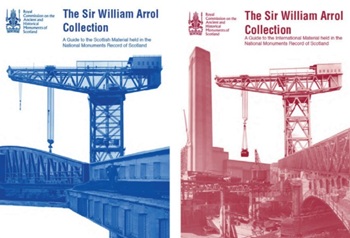
An extraordinary record of steel engineering worldwide.

Households living near new pylons to save on bills.

ECA warns growth must not outpace grid capacity or skills.
The role of the client and decision making

CIOB response to built environment professions call for evidence.
Construction's sustainability reporting revolution
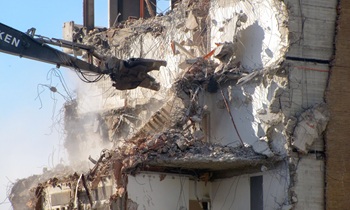
Tracking upfront embodied carbon with digital tools.
ECA welcomes procurement reforms

Public spending must back British jobs and skills.
Campaigning for Edinburgh: the Cockburn Association 1875-2049
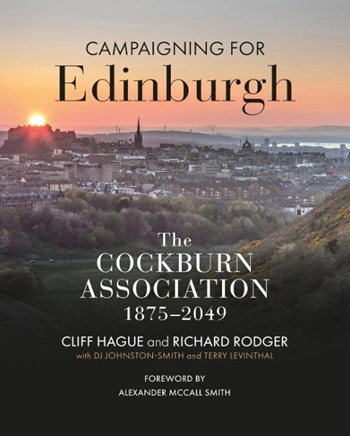
The role of the civic voice in protecting character. Book review.

CIOB photography competition is open for entries.
ECA Edmundson apprentice of the year award
Finalists announced.
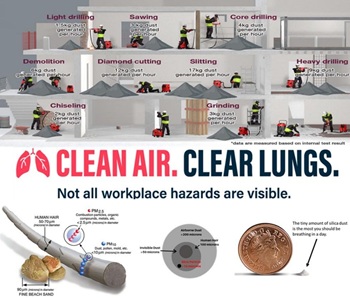
Major new study exposes serious knowledge gaps.